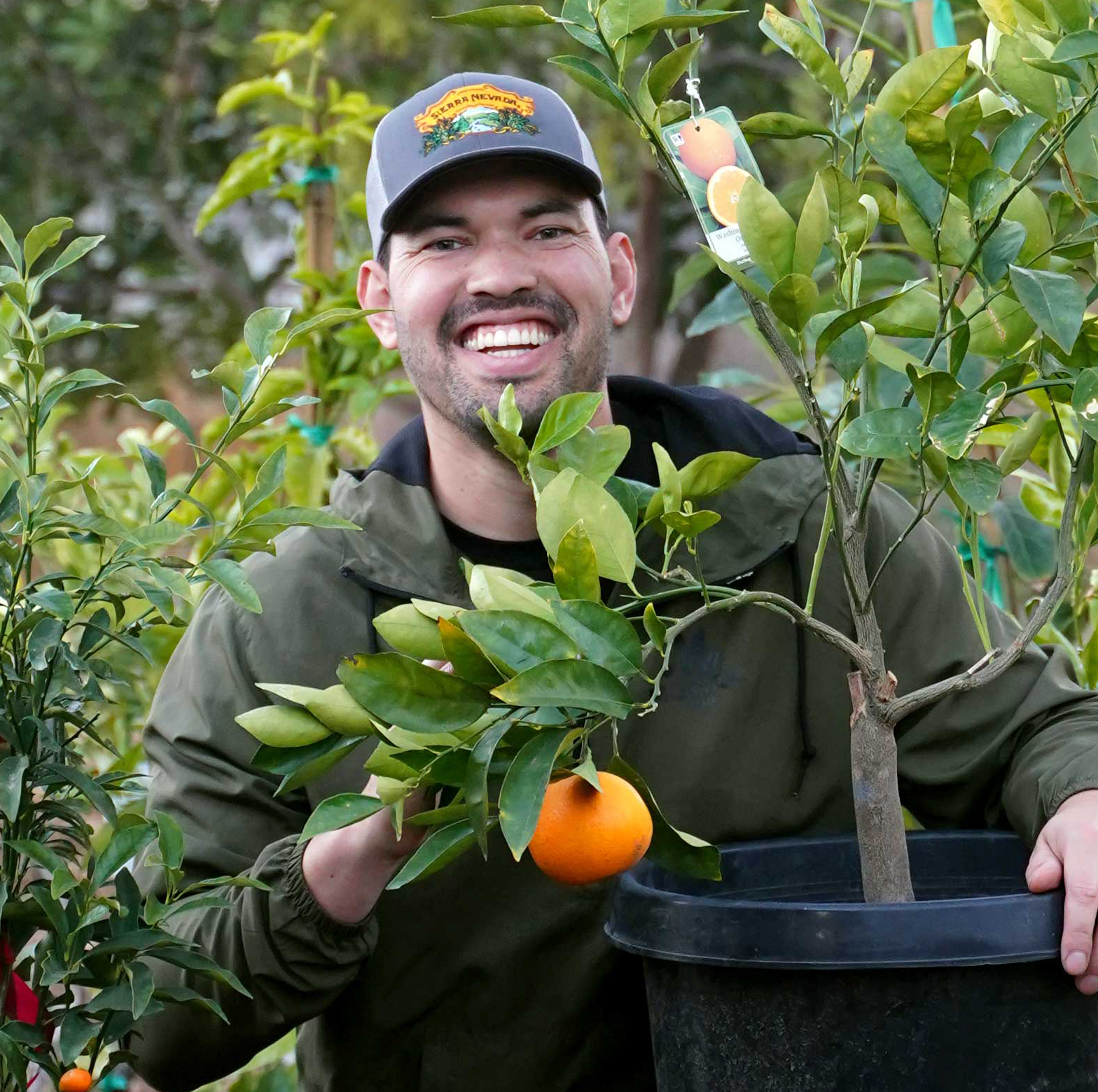
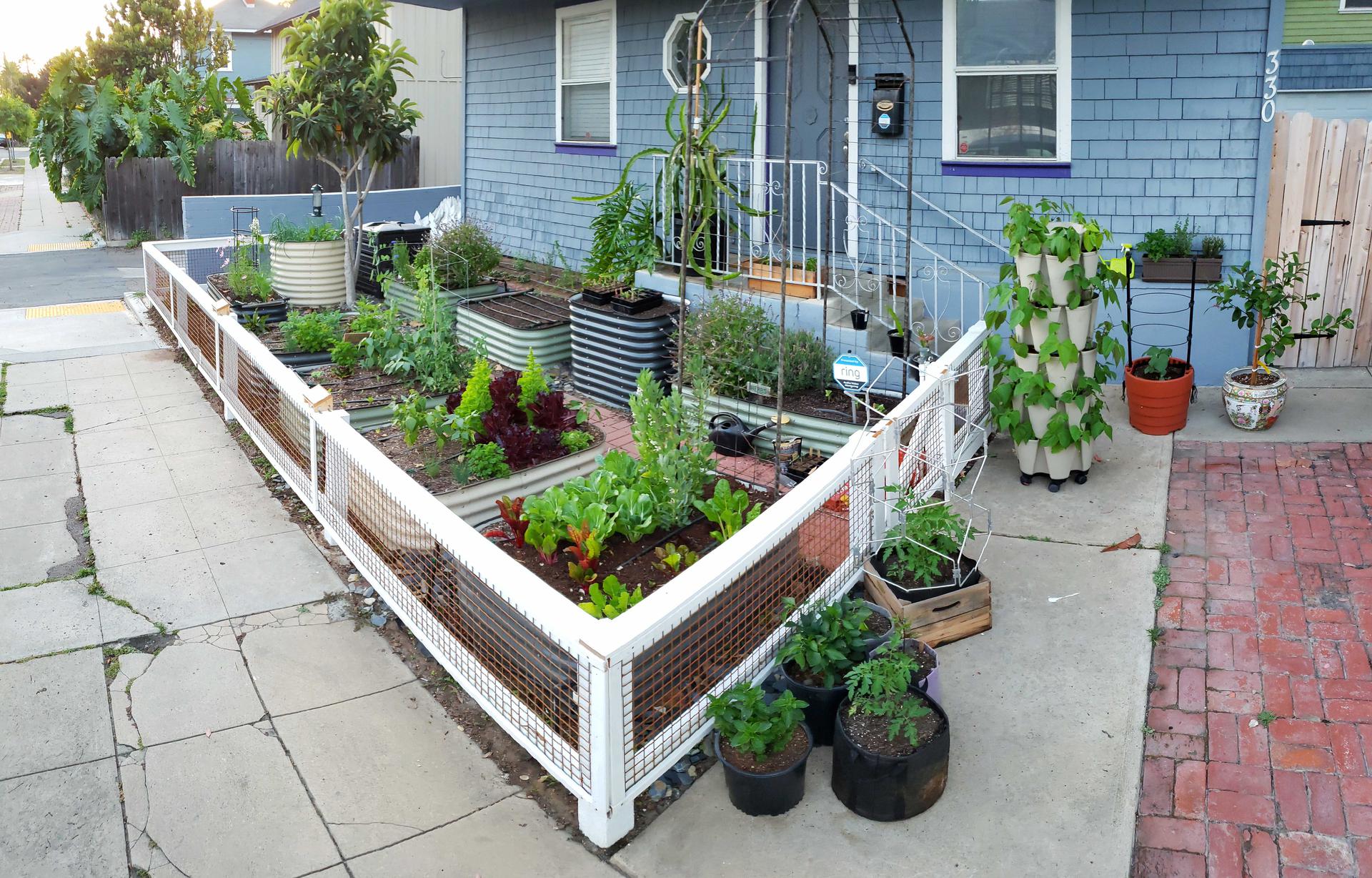
Photo courtesy of Epic Gardening. Hello, and welcome to week two of the Ultimate Guide to Raised Beds!
You are one of the most engaged readers of Sunset's Garden emails, so we wanted to make sure you saw this new newsletter, which we think is really cool. We'll send you the first couple of installments, but if you want the whole eight-part series, click the button and sign up for real! You Built a Bed—Now What? Kevin Espiritu has been teaching the world how to garden for over 10 years. The author of Field Guide to Urban Gardening and creator of the website Epic Gardening first began using a hydroponic system in his apartment in 2011, and since then has grown to be an expert in urban gardening (and expanded to a beautiful urban farm). By grown, we mean a half-million people follow the Epic Gardening Instagram, where Espiritu shares tips and products to help his followers learn how to garden no matter where they live.
Planning is a key to starting a garden. “For first-time gardeners, it goes back to auditing your space and knowing your light access,” Espiritu says. “Gardening’s about finding what works for what you’re given.”
That might mean making a decision between planting in a raised bed outside versus a hydroponic system that can be used to grow lettuce, broccoli, cauliflower, and more indoors. These vertical gardens are all the rage, thanks to lower water use and a strict watering schedule.
We spoke with Espiritu to learn how to plan out a space, choose the right gear, and pick the best soil. With his help, you’ll be on your way to growing a healthy, flourishing garden in no time.
For more from Espiritu, follow Epic Gardening on Instagram: @epicgardening. 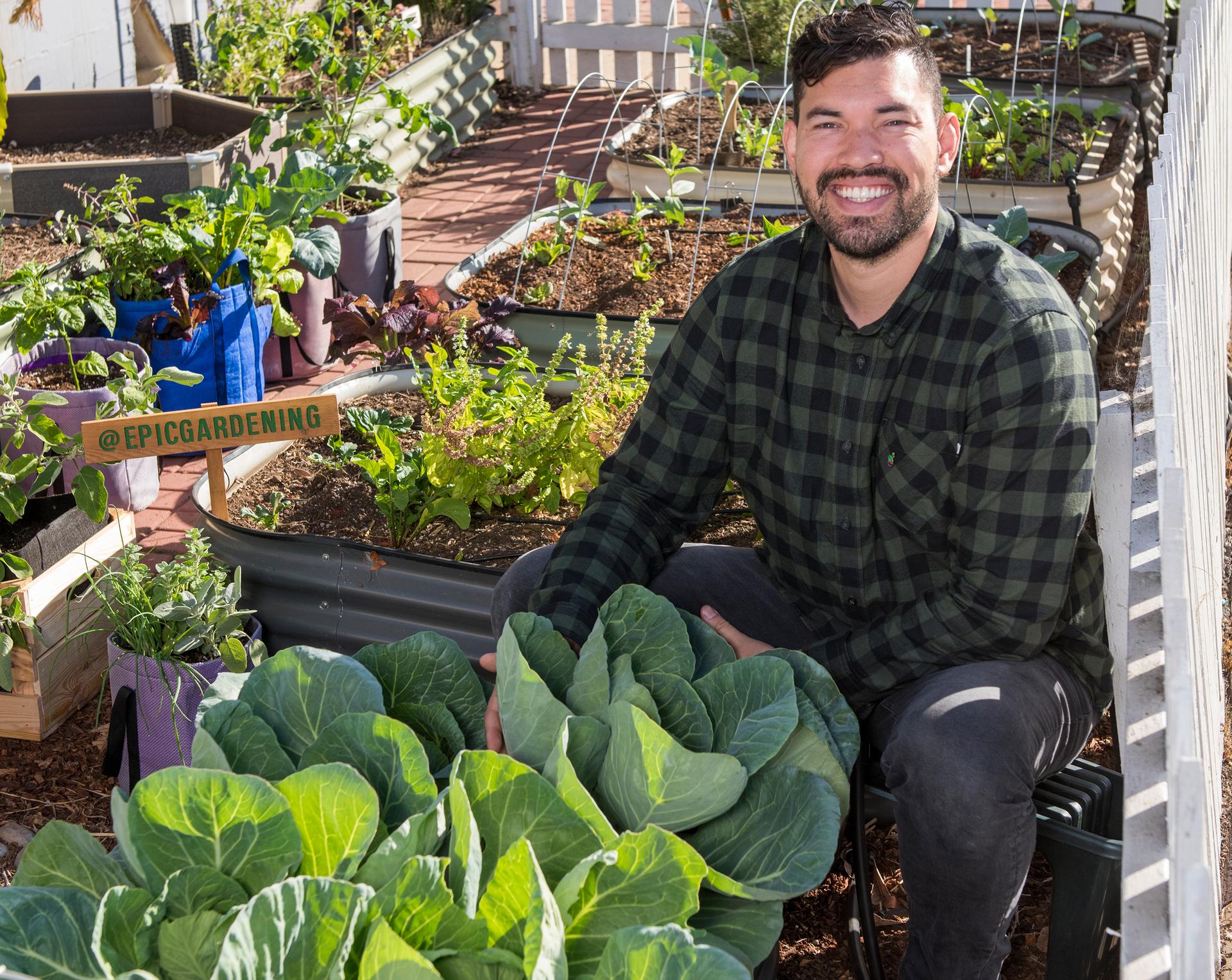
Kevin Espiritu in the garden. Photo courtesy of Epic Gardening. How do you choose between a raised garden bed, a hydroponic system, or a vertical garden? Assess your space and see what's possible with the options that you have, and from there it comes down to preference and accessibility. Maybe you're growing on concrete and you need a raised bed. For me, space requirements are the biggest gauge to which method you should use.
What is hydroponic gardening? Hydroponic means growing without soil. You have to know what your plants need and when they need it, and it’s a more scientific approach to growing. For this type of gardening, plants tend to grow faster and larger because you're putting them in a cocktail of nutrients. In a raised bed they're growing more similar to the environment that they were evolved in, so it’s easier to get into raised bed gardening. But if you’re growing indoors, you can do hydroponic so you don’t have to cart soil into your home.
What is your best advice for a first-time gardener? For first time gardeners, it goes back to auditing your space and knowing your light access. Those are the first two things to think about. My garden now is flat and open and the sky’s the limit, but in the old space I had a small front-yard garden and there wasn’t that much soil, but at least I could make a raised bed. Gardening’s about finding what works for what you’re given.
Does hydroponic growing work for all plants or only some? Is there ever too much water or do the plants self-regulate? Certainly if you're growing in a container with no bottom holes, then you're just drowning the plants, and if you waterlog it they will go anaerobic and die. But if you have a container with a lot of drainage holes, then you might be washing nutrients out of the soil, and it’s a situation where generally speaking the plants want a deeper, irregular watering [more] than a certain amount everyday. If you're growing indoors, you need to build a routine. Another thing soil does that that hydroponic or container gardening can’t is there’s way more of a buffer for the water. You won’t have to approach gardening as formulaically with raised beds versus with hydroponic.
What is your favorite garden tool? You can’t go wrong with a good hand pruner. I love the Felco F2 pruner and a quick saw.
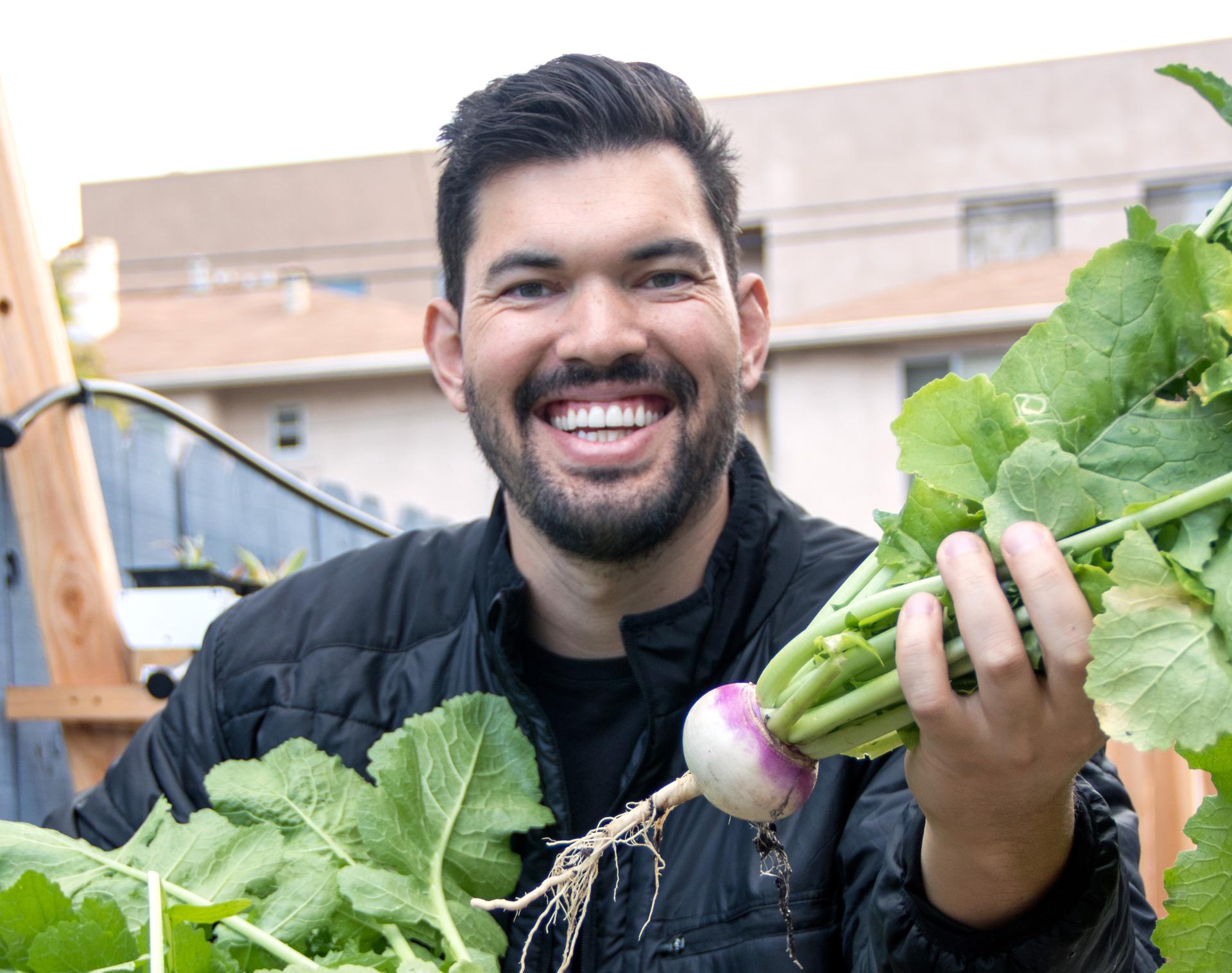
Photo courtesy of Epic Gardening. How can apartment-dwellers create lush vegetable gardens? Vertical gardening is fantastic because it makes use of the Z axis—you can grow UP instead of OUT. When you're on a balcony in an apartment, it’s about sun access and knowing where the light is coming in. South is ideal, east and west are OK, north is bad. If you don’t have a balcony and are gardening entirely inside, for light your dream scenario is a south-facing window, and even then that’s not as much for the plant. While it may look like there’s a lot of light, your plants need to photosynthesize, so if you can afford to, adding supplemental lighting will be crucial, and get the plants as close as possible to the window.
How would you choose your soil for projects like these? If you're building a large garden, I’d recommend finding a local buyer and getting it delivered, especially if you’re building four or five beds because that’s cheaper. One way to make the soil cheaper is to buy half the amount you need as a potting mix—it doesn’t matter what type—and to mix it with your native soil 50/50. That mix can help quite a bit, or you can take your native soil and buy compost to mix with.
Plant of the Week: ‘Clarity Blue’ Dianella 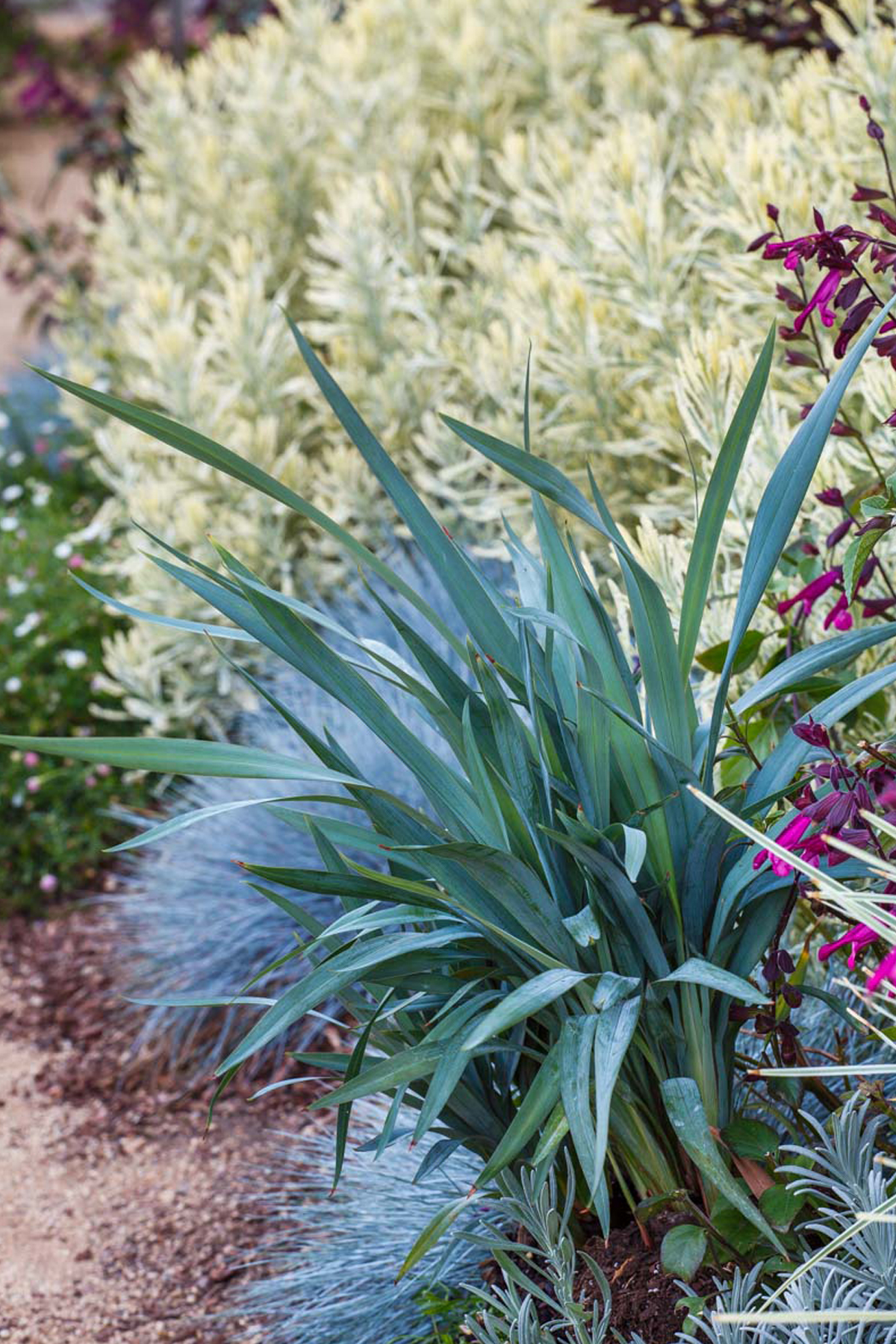
Courtesy of the Sunset Plant Collection. Forming an evergreen, vase-shaped clump approximately 2 feet tall and wide, this eye-catching Dianella is perfect for smaller garden beds. Its stunning, blue foliage mimics the same spikey, upright form of a New Zealand Flax (Phormium sp.). That's enough of a reason to add it to a design, but as an added bonus, it sports clusters of petite blue flowers that sit high above the foliage.
'Clarity Blue' Dianella adds texture and, when it flowers, color to a bed. It's also tolerant of varying levels of water, and not picky about soil type. Add compost once a year and your Dianella should be happy.
Read more about ‘Clarity Blue’ Dianella in the Sunset Plant Collection.
Introducing: The Sunset Wine Club 
We’ve partnered with Wine Access to curate the perfect mix of 6 wines to drink each season. Even better, they’ve been selected to go with the recipes and menus in every issue of Sunset.
Spread the Word Know someone who would appreciate the ideas in this guide? Email a copy! 
Don't Miss our Garden Issue—Subscribe to Sunset! Our very next issue will be all about gardening. Subscribe now to make sure you get it! Subscriptions include one year of print and digital editions, plus our smartphone app, our Sunset Western Garden ebook, and more—for just $24.95! That's over 53% off the newsstand price.
Copyright 2022 S Media International Corporation. All rights reserved. Reproduction in whole or in part without permission is prohibited. |
If you believe this has been sent to you in error, please safely unsubscribe.
If you believe this has been sent to you in error, please safely unsubscribe.