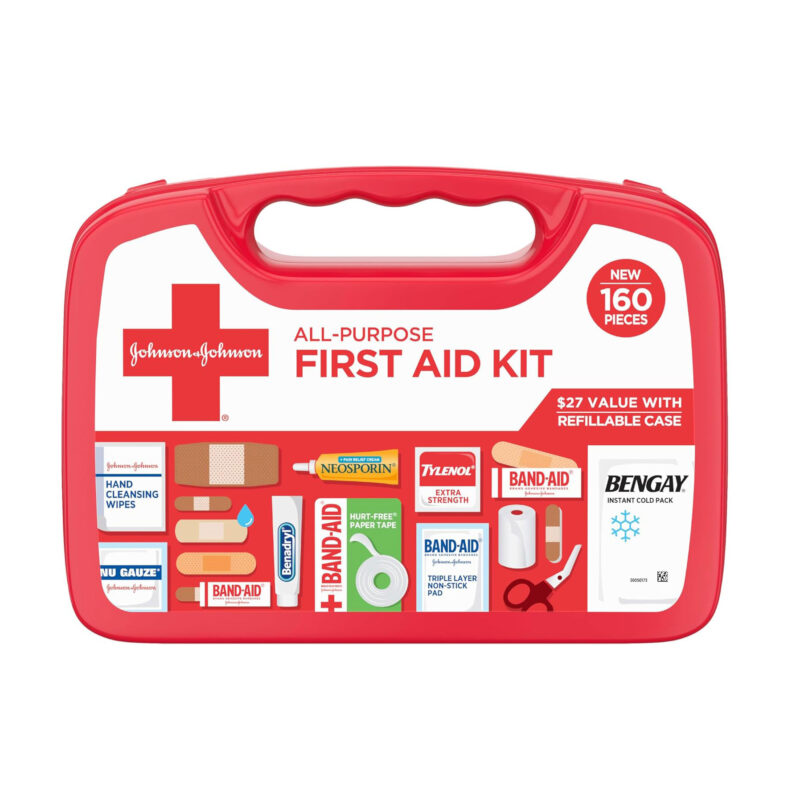
We spoke with international travel nurse Sophie Blake, who documents her adventures on The Traveling Sopha, to get her tips. She recommends building a wilderness first aid kit tailored to your specific vulnerabilities, loaded up with the basics like antibacterial ointment, bandages, alcohol pads, and ibuprofen, similar to what you’d pack in your go-bag. She also mentions that it’s worth considering your personal weak spots. If you're prone to ankle injuries on rocky terrain, throw in a compression wrap, for instance. (For me, it’s always packing an extra set of contacts in my backpack or dry pouch.)
When emergencies do strike in remote areas, Blake's advice is straightforward: Assess the situation honestly and don't hesitate to call for help if you're severely injured. Unlike vacation injuries near hospitals, wilderness emergencies often require specialized evacuation insurance that covers search and rescue operations and helicopter transport. Remember, the best wilderness medical emergency is the one that never happens. So train for your adventure, check conditions beforehand, and always share your detailed itinerary with reliable contacts before heading into the wild.
Happy trails, |